
Amazing IPTV vs streaming Guide 2026

IPTV vs streaming: In the rapidly evolving landscape of digital entertainment, understanding the nuances between these two dominant technologies is crucial. While often used interchangeably, there are fundamental differences that dictate user experience, content delivery, and overall versatility. This comprehensive guide aims to demystify the complex world of IPTV and streaming, providing you with the essential knowledge needed to make informed decisions in 2026. We’ll delve deep into the technical underpinnings, explore the advantages and disadvantages of each, and help you determine which option best suits your entertainment needs. The debate of IPTV vs streaming isn’t just about how content reaches your screen; it’s about control, quality, and the future of television.
Table of ContentsUnderstanding the Fundamentals: What is IPTV?What is Traditional Streaming? Digging Deeper into the TechnologyThe Key Differences: IPTV vs Streaming ExplainedAdvantages of IPTV in 2026The Benefits of Traditional Streaming in 2026Choosing Your Path: IPTV vs Streaming for Your NeedsThe Future Landscape: Convergence and Evolution of IPTV vs StreamingEnsuring Quality and Reliability: The IPTV vs Streaming PerspectiveNavigating the Legalities and Subscriptions: IPTV vs StreamingFAQ: IPTV vs StreamingRelated IPTV Services
Understanding the Fundamentals: What is IPTV?
IPTV, or Internet Protocol Television, is a system through which television services are delivered using the Internet Protocol suite over a packet-switched network such as a LAN or the Internet, instead of being delivered through traditional terrestrial, satellite signal, and cable television formats. This means your TV content comes to you via your internet connection, but with a crucial distinction: it’s often a managed network. Think of it like this: a dedicated lane on the information superhighway specifically for your TV channels. This dedicated pathway is often what sets IPTV vs streaming apart in terms of reliability and quality.
Unlike traditional broadcasting, IPTV allows for a more interactive and personalized viewing experience. Services often include features like video on demand (VOD), time-shifted TV (allowing you to replay live broadcasts), and network personal video recorders (nPVRs). The underlying technology relies on various compression standards, with H.264 and H.265 (HEVC) being prevalent, ensuring efficient delivery of high-quality video. This dedicated infrastructure often results in a more stable and high-definition viewing experience, especially during peak usage times. When considering IPTV vs streaming, this dedicated bandwidth is a significant advantage for IPTV.
The architecture of an IPTV system typically involves a head-end where TV channels are acquired and encoded, a video on demand (VOD) platform, and a delivery network that transmits the content to subscribers. Subscribers usually access these services via a set-top box (STB) or compatible smart TV applications that decode the IP signals. This setup allows for a wide array of channels and content to be delivered seamlessly. For those interested in the sheer volume of choices, exploring IPTV channels can be quite revealing, showcasing the extensive offerings available.
Providers often offer various IPTV pricing models, from subscription-based packages to pay-per-view options. The flexibility in content delivery and business models makes IPTV a powerful contender in the digital entertainment space. The quality and breadth of content are often a key differentiator in the IPTV vs streaming debate. Users often find a more curated and comprehensive channel lineup with IPTV services, tailored to specific regional or international preferences.
What is Traditional Streaming? Digging Deeper into the Technology
Traditional streaming, as most people understand it, refers to the on-demand delivery of content over the internet without the need for a dedicated, managed network. This encompasses popular services like Netflix, Hulu, YouTube, and Disney+. When you watch a show on one of these platforms, the video data is continuously sent to your device in small packets, allowing you to watch almost immediately without fully downloading the file. The key distinction in the IPTV vs streaming comparison here is the “best-effort” delivery over the open internet.
The technology behind streaming relies heavily on Content Delivery Networks (CDNs), which are geographically distributed networks of proxy servers and their data centers. The goal of a CDN is to provide high availability and performance by distributing the service spatially relative to end-users. This means content is stored closer to you, reducing latency and improving loading times. Adaptive Bitrate Streaming (ABS) is another crucial technology, which dynamically adjusts the video quality based on your internet connection speed, ensuring a continuous playback experience even with fluctuating bandwidth.
The primary advantage of traditional streaming services is their accessibility and convenience. They are typically accessible on a vast array of streaming devices, including smart TVs, smartphones, tablets, gaming consoles, and web browsers, often requiring just an app and an internet connection. This ubiquity makes them incredibly popular for casual viewing and on-demand content consumption. The ease of access and the vast libraries of content are strong points for streaming services when evaluating IPTV vs streaming.
However, because streaming relies on the unmanaged public internet, it can be more susceptible to buffering, quality degradation, and service interruptions, especially during peak internet usage hours or in areas with less robust internet infrastructure. The “best-effort” delivery means your video competes for bandwidth with all other internet traffic. This can be a significant drawback compared to the dedicated nature of many IPTV services. The reliability factor is often a key consideration when weighing IPTV vs streaming.
The Key Differences: IPTV vs Streaming Explained
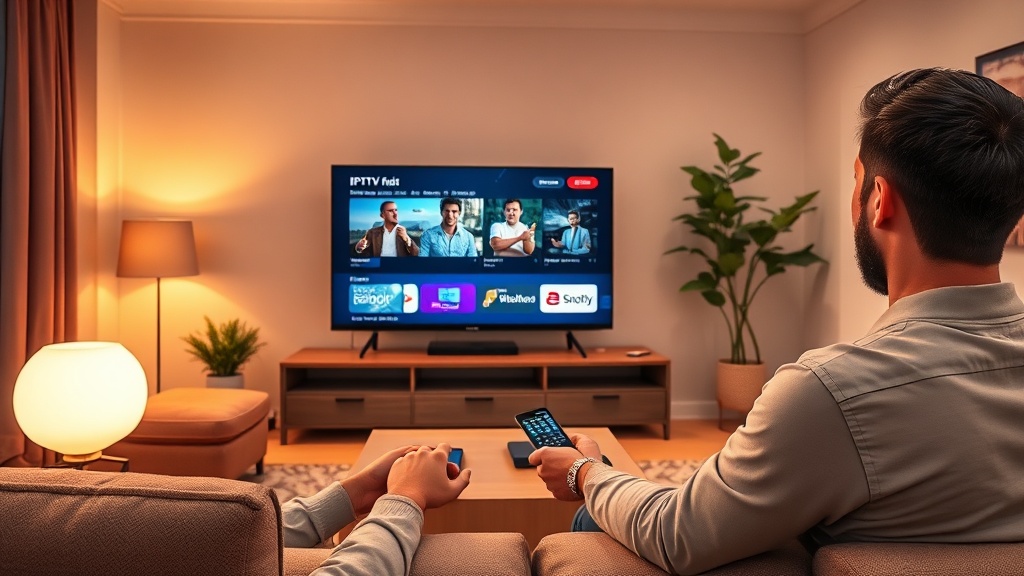
The core distinction between IPTV vs streaming lies in their delivery mechanisms and the level of control over the network. IPTV often operates on a closed, managed network, where the service provider has dedicated bandwidth to ensure quality of service (QoS). This means they can prioritize video traffic, leading to less buffering, higher picture quality, and lower latency, especially for live broadcasts. For example, a telecommunications company might offer IPTV as part of a bundled internet and phone package, utilizing its own infrastructure.
In contrast, traditional streaming services operate over the open internet, using a “best-effort” delivery model. Your video stream competes with all other internet traffic for bandwidth. While CDNs help mitigate some of these issues, the quality of your streaming experience can still be heavily influenced by your internet service provider (ISP), network congestion, and even the number of devices connected to your home network. This fundamental difference in network management is paramount when discussing IPTV vs streaming.
Content offerings also vary significantly. IPTV often focuses on traditional linear TV channels, similar to cable or satellite, but delivered over IP. Many IPTV providers offer extensive international channel packages and specialized content that might not be available on mainstream streaming platforms. Streaming services, on the other hand, typically excel in on-demand libraries of movies, TV shows, and original content. While some streaming services offer live TV add-ons, their primary focus remains on VOD. This distinction in content focus is a critical aspect of IPTV vs streaming.
Another crucial difference is interactivity. IPTV systems often support advanced features like interactive program guides, video on demand, and even interactive advertising, allowing for a more integrated viewing experience. Traditional streaming, while offering on-demand access, typically provides less interactive features beyond basic playback controls. The integration with other services and potentially more robust EPGs (Electronic Program Guides) can make IPTV feel more like a complete television replacement, whereas streaming often feels like an add-on or supplementary service. Understanding these nuances is key to appreciating the full scope of IPTV vs streaming.
Advantages of IPTV in 2026
In 2026, IPTV continues to offer several compelling advantages, particularly for users prioritizing reliability, quality, and a comprehensive channel lineup. One of the most significant benefits is the guaranteed quality of service (QoS). Because IPTV is often delivered over a managed network, providers can prioritize video traffic, ensuring minimal buffering, consistent high-definition picture quality, and reduced latency. This is especially crucial for live sports and news, where real-time delivery without interruption is paramount. This dedicated infrastructure is a strong point for IPTV vs streaming when it comes to critical live events.
Another major advantage is the vast array of linear TV channels available through IPTV. Many providers offer extensive packages that include international channels, niche content, and regional broadcasts that might be difficult or impossible to access through traditional streaming services. This makes IPTV an attractive option for expatriates, multilingual households, or anyone looking for a truly global television experience. The sheer volume and diversity of content are often superior in the IPTV vs streaming comparison for live TV.
IPTV systems also frequently come with advanced features such as time-shifted TV, allowing viewers to pause, rewind, or fast-forward live broadcasts, and start programs from the beginning even if they tuned in late. Network Personal Video Recorders (nPVRs) enable cloud-based recording of shows, eliminating the need for physical storage devices. These features enhance flexibility and convenience, making the viewing experience more tailored to individual schedules. These integrated functionalities highlight the comprehensive nature of IPTV, often surpassing the basic offerings of many streaming platforms.
Furthermore, some IPTV providers offer superior security and privacy measures due to the controlled nature of their networks. While no system is entirely impervious, a managed network can offer a more secure environment for content delivery compared to the open internet. The integration with other home services, such as smart home devices or voice assistants, is also advancing rapidly in IPTV, creating a more cohesive entertainment ecosystem. These integrated solutions further strengthen the case for IPTV vs streaming in a connected home environment.
The Benefits of Traditional Streaming in 2026
Traditional streaming services, despite their differences from IPTV, offer a unique set of advantages that continue to make them incredibly popular in 2026. Foremost among these is unparalleled flexibility and accessibility. Streaming content can be accessed on virtually any internet-connected device – smart TVs, smartphones, tablets, laptops, gaming consoles, and dedicated streaming boxes – often with just an app and a subscription. This universal access means you can watch your favorite shows and movies anytime, anywhere, as long as you have an internet connection. This widespread device compatibility is a significant win for IPTV vs streaming in terms of sheer convenience.
Cost-effectiveness is another major draw. Many streaming services offer competitive monthly subscription fees, often significantly lower than traditional cable or satellite packages, and sometimes even lower than premium IPTV services. The ability to subscribe to multiple services and cancel at any time provides immense financial flexibility, allowing users to tailor their entertainment budget to their exact needs. This à la carte model is a powerful differentiator for IPTV vs streaming, appealing to budget-conscious consumers.
The vast and ever-growing libraries of on-demand content are a cornerstone of streaming’s appeal. Services like Netflix, Amazon Prime Video, and Disney+ invest heavily in original programming, offering exclusive movies and TV series that cannot be found anywhere else. This focus on VOD means viewers have an almost endless supply of content to choose from, available at their fingertips whenever they want to watch it. For those who prefer binge-watching and curated content libraries, streaming often wins the IPTV vs streaming debate.
Finally, the user experience of many streaming platforms is highly refined, with intuitive interfaces, personalized recommendations based on viewing history, and robust search functionalities. The continuous innovation in these areas ensures a smooth and engaging user journey. While IPTV is catching up, the user interface and recommendation algorithms of major streaming platforms are often industry leaders. This commitment to user experience is a key factor when considering IPTV vs streaming for casual and on-demand viewing.
Choosing Your Path: IPTV vs Streaming for Your Needs
Deciding between IPTV vs streaming ultimately boils down to your individual viewing habits, priorities, and technical requirements. There isn’t a one-size-fits-all answer, and many households in 2026 find themselves using a combination of both to satisfy their diverse entertainment needs. Understanding the strengths of each will help you make the most informed decision.
If your primary concern is consistent, high-quality live television, especially for sports, news, or international channels, then IPTV might be the superior choice. The managed network infrastructure of IPTV providers generally ensures a more stable and high-definition experience with minimal buffering and latency. This is particularly important for events where real-time viewing is critical. The dedicated nature of the service often means fewer disruptions. For those who value the traditional channel-surfing experience with enhanced reliability, IPTV vs streaming leans towards IPTV.
On the other hand, if your entertainment preferences lean heavily towards on-demand movies, TV series, and original content, with the flexibility to watch across multiple devices at your convenience, then traditional streaming services will likely be more suitable. Their vast libraries, competitive pricing, and accessibility make them ideal for binge-watching and casual viewing. The ability to subscribe and unsubscribe easily also provides greater financial control. For maximum content choice and device compatibility, the IPTV vs streaming debate often favors traditional streaming.
Consider your internet connection. While both require a stable internet connection, IPTV, especially high-definition content, can be more demanding on bandwidth if not delivered over a managed network. However, if your ISP offers a robust IPTV service, the dedicated bandwidth can actually alleviate congestion worries. Traditional streaming services, while adaptive, can still suffer significantly from a poor or congested internet connection. This technical consideration is vital when comparing IPTV vs streaming.
Finally, factor in the devices you own and your comfort level with technology. Streaming services are often plug-and-play with minimal setup, compatible with a wide range of devices. IPTV might require a dedicated set-top box or a specific application, which could involve a slightly steeper learning curve for some users. However, many modern IPTV services are becoming increasingly user-friendly, bridging this gap. The evolving landscape of both technologies means that the lines between IPTV vs streaming are continually blurring, but these core differences remain.
The Future Landscape: Convergence and Evolution of IPTV vs Streaming
The landscape of digital entertainment is not static; it’s a dynamic environment where technologies evolve and converge. In 2026, we are witnessing a significant blurring of the lines between IPTV vs streaming. Many traditional IPTV providers are integrating more on-demand content and user-friendly interfaces reminiscent of streaming services. Simultaneously, streaming platforms are experimenting with live TV add-ons and more robust channel packages, attempting to capture a share of the linear TV market. This convergence suggests a future where the distinction becomes less about the underlying technology and more about the service offering.
One key trend is the rise of hybrid models. We’re seeing bundled services that offer the stability and channel breadth of IPTV alongside the extensive on-demand libraries and flexibility of streaming. This “best of both worlds” approach aims to satisfy a broader range of consumer preferences, eliminating the need for a stark choice between IPTV vs streaming. These hybrid platforms often leverage the strengths of managed networks for live content while utilizing CDNs for on-demand assets, optimizing delivery for each content type.
Technological advancements in network infrastructure, such as widespread 5G and fiber-optic broadband, will further enhance the capabilities of both IPTV and streaming. Faster, more reliable internet connections will reduce buffering and improve picture quality across the board, making the “best-effort” delivery of streaming services more robust, and allowing IPTV to deliver even higher resolutions and more interactive experiences. The ongoing improvements in internet speeds worldwide will inevitably impact the IPTV vs streaming experience for all users.
Furthermore, artificial intelligence and machine learning will play an increasingly vital role in personalization, content discovery, and even dynamic ad insertion for both platforms. Expect more sophisticated recommendation engines, predictive content loading, and highly tailored user experiences. The competition between IPTV vs streaming will drive innovation in these areas, benefiting the end-user with more engaging and relevant content. The future promises a rich and diverse entertainment ecosystem, with both IPTV and streaming continuing to evolve and offer compelling options for viewers.
Ensuring Quality and Reliability: The IPTV vs Streaming Perspective
When it comes to enjoying your favorite content, quality and reliability are paramount. This is where the core differences between IPTV vs streaming often become most apparent. As discussed, IPTV’s advantage often stems from its managed network environment. This allows providers to implement Quality of Service (QoS) protocols, which prioritize video traffic over other internet data. The result is a more stable, consistent, and high-definition viewing experience, particularly for live broadcasts where even a few seconds of buffering can be frustrating. For critical viewing, such as sports or breaking news, the reliability of IPTV can be a significant draw.
Traditional streaming, while employing adaptive bitrate technology to adjust quality based on available bandwidth, is inherently more susceptible to fluctuations. Network congestion, Wi-Fi interference, or even other devices on your home network can impact your streaming quality, leading to buffering, pixelation, or drops in resolution. While major streaming platforms invest heavily in CDNs and optimized delivery, they are still operating on the public internet, which lacks the dedicated pathways often utilized by IPTV services. This fundamental difference in network control is a key factor in the reliability debate of IPTV vs streaming.
Latency is another critical aspect, especially for live content. IPTV typically offers lower latency, meaning the delay between an event happening and you seeing it on your screen is minimized. This is crucial for interactive events or situations where real-time information is important. Streaming, due to its best-effort delivery and the multiple hops data often takes across the internet, generally has higher latency. For most on-demand content, this isn’t an issue, but for live sports or real-time gaming integration, it can be a noticeable difference. The lower latency of IPTV is a clear advantage over streaming in these specific scenarios.
Ultimately, the quality and reliability you experience will depend on several factors, including your internet service provider, your home network setup, and the specific IPTV or streaming service you choose. However, understanding the inherent architectural differences between IPTV vs streaming helps set realistic expectations. If consistent, unbuffered, high-quality live content is your top priority, IPTV’s managed network approach often provides a more robust solution. If flexibility and vast on-demand libraries are more important, and you have a solid internet connection, streaming will serve you well.
Navigating the Legalities and Subscriptions: IPTV vs Streaming
The legal landscape surrounding IPTV vs streaming is complex and constantly evolving, with significant implications for consumers. When it comes to traditional streaming services like Netflix, Hulu, or Amazon Prime Video, the services are generally legitimate, licensed, and operate within established legal frameworks. They acquire rights to content, pay royalties, and offer their services through official subscriptions. Subscribing to these services means you are legally accessing content and supporting content creators.
IPTV, however, presents a more nuanced situation. There are many legitimate IPTV providers, often offered by telecommunications companies or licensed broadcasters, which operate entirely legally. These services are typically regulated and adhere to copyright laws, similar to traditional cable or satellite TV. However, the term “IPTV” has also become associated with illicit services that offer access to copyrighted content (e.g., premium channels, live sports) for a fraction of the cost, often without proper licensing. These “unlicensed IPTV” services operate illegally and pose significant risks to users. When choosing an IPTV provider, it’s crucial to verify its legitimacy to avoid legal repercussions and ensure ethical consumption of content. Always check the provider’s credentials, reviews, and legal standing. This distinction is paramount in the IPTV vs streaming discussion.
Subscription models also differ. Traditional streaming services typically offer straightforward monthly or annual subscriptions, often with different tiers based on resolution or the number of simultaneous streams. They usually provide a trial period and are easy to cancel. IPTV pricing can be similar for legitimate services, but illegal IPTV providers often offer unusually low prices or lifetime subscriptions, which should be a red flag. Always be wary of deals that seem too good to be true, as they often are, particularly when comparing IPTV vs streaming in terms of cost.
It’s important for consumers to be aware of the risks associated with illegal IPTV. These can include security vulnerabilities (malware, data theft), unreliable service (servers can be shut down without warning), and potential legal action against users in some jurisdictions. Furthermore, by using illegal services, you are not supporting the content creators and legitimate businesses that bring you entertainment. Always prioritize legal and legitimate options, whether you opt for IPTV vs streaming, to ensure a safe and ethical viewing experience. Researching providers thoroughly, reading reviews, and understanding terms of service are essential steps.
FAQ: IPTV vs Streaming
Q1: Is IPTV better than streaming for live sports?
For live sports, IPTV often has an advantage due to its managed network delivery, which can provide more consistent quality, less buffering, and lower latency compared to traditional streaming services operating over the open internet. This means you’re less likely to miss a crucial moment due to technical issues.
Q2: Can I watch IPTV on any device?
While traditional streaming services are highly device-agnostic, legitimate IPTV services often require a specific application or a set-top box provided by the service. However, many modern IPTV providers are expanding compatibility to include smart TVs, smartphones, and other streaming devices through dedicated apps.
Q3: Is IPTV legal?
Yes, legitimate IPTV services offered by licensed providers (e.g., telecommunication companies or authorized broadcasters) are completely legal. However, there are many unlicensed “IPTV” services that illegally distribute copyrighted content. It’s crucial to verify the legality of any provider before subscribing.
Q4: Why is my streaming buffering but my IPTV isn’t?
This often comes down to the network infrastructure. IPTV services frequently use a managed network with dedicated bandwidth for video, prioritizing your stream. Traditional streaming, on the other hand, relies on the public internet, where your video competes with all other traffic, making it more susceptible to buffering during congestion.
Q5: Which is cheaper: IPTV or streaming?
Traditional streaming services often have lower monthly subscription costs and greater flexibility to cancel. Legitimate IPTV services can sometimes be more expensive, especially if bundled with other services, but they may offer a more comprehensive channel lineup. Be wary of “IPTV” services offering unusually low prices, as they are often illegal.
Related IPTV Services
You may also visit the following websites for similar services:
Related Articles
Interested in IPTV Lifetime?
Get premium IPTV lifetime access with 25,000+ channels and 26,000+ movies. Contact us to learn more about our lifetime IPTV subscription plans.
View IPTV Lifetime Plans