
Proven IPTV vs cable TV Guide 2026

IPTV vs cable TV: In the rapidly evolving landscape of home entertainment, the choice between traditional cable television and Internet Protocol Television (IPTV) has never been more critical. As we look ahead to 2026, understanding the nuances of IPTV vs cable TV is essential for consumers seeking the best viewing experience, flexibility, and value. This comprehensive guide will dissect the core differences, advantages, and disadvantages of both technologies, helping you make an informed decision for your digital lifestyle. The debate of IPTV vs cable TV is complex, but with advancements in internet infrastructure and streaming technology, IPTV is increasingly becoming the preferred option for many.
Table of ContentsUnderstanding the Basics: IPTV vs Cable TVContent and Channel Availability: A Deep Dive into IPTV vs Cable TVCost-Effectiveness: Analyzing IPTV vs Cable TV Pricing in 2026Features and Functionality: The Modern Edge of IPTV vs Cable TVReliability and Quality: A Critical Look at IPTV vs Cable TV PerformanceFuture Trends: The Evolution of IPTV vs Cable TV in 2026 and BeyondFAQ: Your Questions Answered on IPTV vs Cable TVRelated IPTV Services
Understanding the Basics: IPTV vs Cable TV
At its heart, the fundamental difference between IPTV and cable TV lies in their delivery mechanism. Cable TV, a long-standing fixture in homes, transmits television signals via coaxial or fiber optic cables directly to your television set. These signals are broadcast in a linear fashion, meaning you watch programs as they are scheduled. It’s a reliable, albeit somewhat rigid, system that has served generations of viewers.
IPTV, on the other hand, leverages your existing internet connection to deliver television content. Instead of traditional broadcasts, video streams are sent over the internet using IP (Internet Protocol) packets. This allows for a much more interactive and on-demand viewing experience, akin to how you stream content from services like Netflix or Hulu. The content can be live, time-shifted (catch-up TV), or video-on-demand (VOD), offering unparalleled flexibility compared to cable TV.
The technological backbone of IPTV allows for a richer array of features. Because it’s internet-based, IPTV can integrate seamlessly with other online services, offering personalized recommendations, interactive program guides, and even social media integration. This level of interactivity is largely absent in traditional cable TV, which remains a more passive viewing experience. When weighing IPTV vs cable TV, the underlying technology is a key differentiator.
Furthermore, the infrastructure required for each system differs significantly. Cable TV relies on extensive physical cabling networks, which can be costly to maintain and upgrade. IPTV, while still requiring a robust internet connection, can utilize existing broadband infrastructure, making it more scalable and often more accessible in areas with good internet coverage. This distinction is crucial in the ongoing discussion of IPTV vs cable TV.
Content and Channel Availability: A Deep Dive into IPTV vs Cable TV
When it comes to content, both IPTV and cable TV offer a vast array of channels and programming. However, their approaches to content delivery and selection vary considerably. Cable TV typically bundles channels into packages, often forcing subscribers to pay for many channels they don’t watch to access a few they do. While there are different tiers, customization is often limited.
IPTV, due to its internet-based nature, often provides greater flexibility in content selection. Many IPTV providers offer highly customizable packages, allowing users to select specific channels or genres. Furthermore, the on-demand capabilities of IPTV mean that a vast library of movies, TV shows, and even past broadcasts is readily available at your fingertips. This “catch-up TV” feature is a significant advantage over traditional cable, where missing a show often means missing it entirely.
Beyond traditional linear channels, IPTV excels in offering niche content and international programming that might be unavailable on standard cable TV packages. This is particularly appealing for multicultural households or those with specific interests. The global reach of the internet allows IPTV providers to aggregate content from various sources, offering a truly diverse viewing experience.
However, it’s also important to consider the legality and reliability of content sources. While reputable IPTV providers license their content, some less scrupulous services may offer pirated streams. This is less of a concern with established cable TV providers, who operate under strict licensing agreements. When evaluating IPTV vs cable TV, always prioritize legitimate services to ensure a high-quality and legal viewing experience.
Cost-Effectiveness: Analyzing IPTV vs Cable TV Pricing in 2026
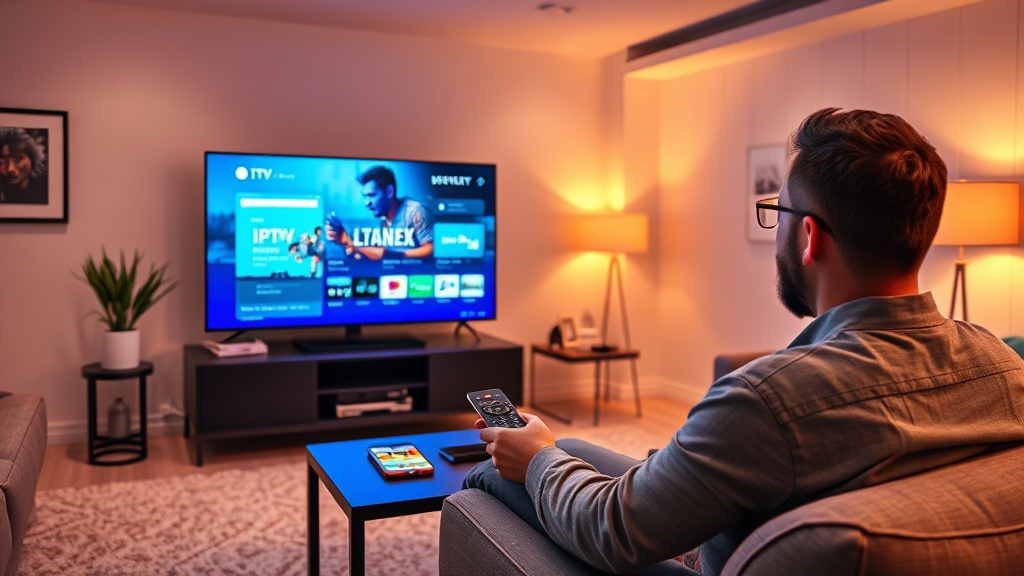
Cost is often a primary factor for consumers deciding between IPTV and cable TV. In 2026, both services continue to evolve their pricing models, but IPTV generally presents a more flexible and potentially more affordable option, especially for those who are savvy about their subscriptions.
Traditional cable TV packages can be expensive, often including hidden fees, equipment rental charges, and long-term contracts. While initial promotional offers might seem attractive, the price often increases significantly after the introductory period. The bundled nature of cable means you’re often paying for channels you never watch, leading to a higher overall cost per viewed hour.
IPTV, on the other hand, often boasts a more transparent and competitive pricing structure. Many providers offer monthly subscriptions without long-term commitments, allowing users to cancel or switch services easily. The ability to choose specific channel packages or even pay-per-view options for certain content can lead to significant savings. For a detailed look at options, check out IPTV pricing plans.
However, it’s crucial to factor in the cost of a reliable internet connection when considering IPTV. While most households already have broadband, high-quality IPTV streaming requires a stable and fast connection, which might necessitate upgrading your internet plan. This additional cost should be considered when comparing the total expenditure of IPTV vs cable TV.
Furthermore, some IPTV services might require specific hardware, such as a set-top box or a smart TV with compatible apps. While many modern devices already support IPTV, older televisions might need an additional investment. Despite these potential extra costs, the overall flexibility and customization options of IPTV often lead to a more cost-effective entertainment solution in the long run, especially as competition among providers increases.
Features and Functionality: The Modern Edge of IPTV vs Cable TV
The feature set is where IPTV truly shines, offering a modern, interactive, and personalized viewing experience that traditional cable TV struggles to match. Cable TV, while reliable, is largely a one-way communication system. You receive the broadcast, and that’s largely it.
IPTV, however, transforms television into an interactive platform. Key features include Video-on-Demand (VoD), which allows you to watch movies and TV shows whenever you want, pausing, rewinding, and fast-forwarding at your leisure. Time-shifted TV, or “catch-up TV,” is another powerful feature, enabling you to watch programs that aired hours or even days ago, eliminating the need for a DVR in many cases.
Interactive Program Guides (IPGs) in IPTV are often far more sophisticated than their cable counterparts, offering detailed program information, search functionality, and personalized recommendations based on your viewing habits. Many IPTV services also support multi-screen viewing, allowing you to seamlessly switch between your TV, smartphone, tablet, or computer without interrupting your show. This is a significant advantage in the ongoing debate of IPTV vs cable TV.
Beyond these core features, IPTV can integrate with other smart home devices and services, offering a more cohesive digital ecosystem. Think voice control, integration with smart speakers, and even interactive advertising. The potential for innovation in IPTV is vast, constantly pushing the boundaries of what television can be. While cable TV has made some strides in offering on-demand content and DVR services, it often feels like an add-on rather than an intrinsic part of the system, lagging behind the native digital capabilities of IPTV.
Reliability and Quality: A Critical Look at IPTV vs Cable TV Performance
When it comes to reliability and picture quality, both IPTV and cable TV have their strengths and weaknesses. Traditional cable TV has long been lauded for its consistent signal quality, largely unaffected by internet congestion or local network issues. As long as the physical cable infrastructure is intact, you can expect a stable broadcast. Picture quality is generally high, especially with digital cable and HD channels.
IPTV’s reliability, conversely, is heavily dependent on the quality and stability of your internet connection. A slow or unstable internet service can lead to buffering, pixelation, or even dropped streams, significantly degrading the viewing experience. High-definition (HD) and ultra-high-definition (UHD/4K) content, while readily available on IPTV, demands even greater bandwidth. This is a crucial factor in the IPTV vs cable TV discussion.
However, with the widespread availability of high-speed fiber optic internet and robust Wi-Fi networks in 2026, many of these reliability concerns for IPTV are diminishing. A strong and consistent internet connection can deliver pristine picture quality, often matching or even exceeding that of cable TV, especially with 4K content and advanced compression technologies. The quality of the IPTV provider’s infrastructure also plays a significant role; reputable providers invest heavily in content delivery networks (CDNs) to ensure smooth streaming.
Another aspect to consider is latency. Cable TV typically has very low latency, making it ideal for live sports and news where real-time viewing is paramount. IPTV, due to the nature of internet streaming, can introduce a slight delay. While often imperceptible for most content, it can be noticeable during live events compared to a direct broadcast. Nevertheless, advancements in streaming protocols are continuously working to reduce this latency, narrowing the gap between IPTV vs cable TV in this regard.
Future Trends: The Evolution of IPTV vs Cable TV in 2026 and Beyond
Looking ahead to 2026 and beyond, the trajectory of both IPTV and cable TV is clear. Cable TV, while still a significant player, is facing increasing pressure from cord-cutters and the growing popularity of streaming services. Its traditional linear model and bundled packages are becoming less appealing to a generation accustomed to on-demand content and personalized experiences. Innovation in cable TV is largely focused on integrating more streaming apps and improving on-demand libraries, essentially trying to adopt IPTV-like features.
IPTV, on the other hand, is poised for continued growth and innovation. The ubiquitous nature of the internet, coupled with advancements in streaming technology, virtual reality (VR), and augmented reality (AR), will further enhance the IPTV experience. We can expect more immersive viewing options, highly personalized content curation driven by AI, and even greater interactivity with programs. The integration of 5G networks will further boost mobile IPTV viewing, making high-quality content accessible anywhere, anytime. The future of IPTV vs cable TV looks increasingly favorable for the internet-based option.
The battle for market share will likely see cable TV providers continuing to diversify their offerings, potentially transforming into hybrid internet and content providers, rather than solely relying on traditional cable broadcasts. They may offer their own IPTV services or partner with existing ones. The line between what constitutes “cable” and “IPTV” will likely blur even further as technologies converge.
Ultimately, the consumer stands to benefit from this competition. The drive for better features, more flexible pricing, and higher quality content will push both industries to innovate. The ongoing evolution of IPTV vs cable TV promises an exciting future for home entertainment, with more choices and greater control than ever before. As broadband speeds increase and smart devices become more prevalent, IPTV’s inherent advantages in flexibility and customization will continue to make it a compelling choice for the modern viewer.
FAQ: Your Questions Answered on IPTV vs Cable TV
What is the main difference between IPTV and cable TV?
The main difference lies in the delivery method: Cable TV transmits signals via coaxial or fiber optic cables directly to your TV, while IPTV delivers content over your internet connection using IP (Internet Protocol) packets. This fundamental distinction impacts everything from content delivery to features and flexibility.
Is IPTV cheaper than cable TV?
In many cases, yes. IPTV often offers more flexible pricing models, including customizable packages and monthly subscriptions without long-term contracts. While you need a good internet connection (which has its own cost), the ability to pay only for the channels you want can make IPTV a more cost-effective option than traditional bundled cable TV packages.
Does IPTV offer better picture quality than cable TV?
Both can offer high-quality picture, including HD and 4K. IPTV’s quality is highly dependent on your internet speed and stability. With a fast and reliable internet connection, IPTV can match or even exceed cable TV quality, especially with 4K content. Cable TV generally offers consistent quality, but its 4K offerings might be less extensive than some IPTV providers.
Can I watch IPTV on any TV?
To watch IPTV, you typically need a smart TV with compatible apps, a dedicated IPTV set-top box, a streaming device (like a Fire Stick, Roku, Apple TV), or a computer/mobile device. Older non-smart TVs would require an external streaming device or set-top box to access IPTV services.
What are the biggest advantages of IPTV over cable TV?
The biggest advantages of IPTV include its flexibility (on-demand content, catch-up TV, multi-screen viewing), greater customization of channel packages, potentially lower cost, and advanced interactive features. It offers a more personalized and modern viewing experience compared to the linear and often rigid nature of traditional cable TV.
Related IPTV Services
You may also visit the following websites for similar services:
Related Articles
Interested in IPTV Lifetime?
Get premium IPTV lifetime access with 25,000+ channels and 26,000+ movies. Contact us to learn more about our lifetime IPTV subscription plans.
View IPTV Lifetime Plans