Incredible IPTV setup guide Guide 2026
IPTV setup guide is becoming an increasingly essential tool for modern entertainment, offering unparalleled access to a vast array of content. If you’re looking to cut the cord from traditional cable and embrace the future of television, mastering the IPTV setup guide is your first step. This comprehensive guide will walk you through every aspect of setting up your Internet Protocol Television service, ensuring a seamless and enjoyable viewing experience in 2026. From understanding the basics to advanced configurations, this IPTV setup guide covers everything you need to know.
Table of ContentsUnderstanding the Basics of Your IPTV Setup GuideChoosing the Right IPTV Provider and SubscriptionEssential Hardware for Your IPTV Setup GuideThe Step-by-Step IPTV Setup Guide for Various DevicesTroubleshooting Common IPTV Setup Guide IssuesOptimizing Your IPTV Setup Guide for the Best Performance in 2026Future-Proofing Your IPTV Setup Guide for 2026 and BeyondThe Advantages of a Well-Executed IPTV Setup Guide in 2026FAQ: Your IPTV Setup Guide Questions AnsweredRelated IPTV Services
Understanding the Basics of Your IPTV Setup Guide
Before diving into the technicalities, it’s crucial to grasp what IPTV is and how it functions. Unlike traditional broadcasting, IPTV delivers television content over Internet Protocol networks. This means you’re streaming live channels, on-demand movies, and series directly to your device using your internet connection. The quality and reliability of your IPTV experience are heavily dependent on your internet speed and the stability of your chosen provider.
When embarking on your IPTV journey, the first decision often involves selecting a reputable IPTV provider. There are numerous options available, each offering different channel packages, pricing structures, and features. It’s wise to research and compare providers, looking at factors like channel lineup, customer support, and user reviews. A good provider is the cornerstone of a great IPTV setup guide experience.
Another fundamental aspect of the IPTV setup guide is understanding the various types of content delivery. This includes live TV, video-on-demand (VOD), and time-shifted TV. Live TV is self-explanatory, offering real-time broadcasts. VOD allows you to select and watch content at your convenience, similar to Netflix. Time-shifted TV enables you to rewind or restart live programs, giving you more control over your viewing schedule. Each of these components contributes to a rich and flexible entertainment ecosystem.
Finally, familiarity with the terminology associated with IPTV will greatly assist your setup process. Terms like M3U playlist, EPG (Electronic Program Guide), and VPN (Virtual Private Network) are common. Understanding these will not only help you navigate the setup but also troubleshoot any issues that may arise. This foundational knowledge is key to a successful IPTV setup guide.
Choosing the Right IPTV Provider and Subscription
Selecting the ideal IPTV provider is perhaps the most critical step in your entire IPTV setup guide. The market is saturated with options, making it challenging to differentiate between reliable services and those that might disappoint. Start by identifying your viewing preferences. Do you primarily watch sports, international channels, movies, or a mix of everything? This will help narrow down providers that specialize in your desired content.
Consider the stability and uptime of the provider’s servers. Nothing is more frustrating than constant buffering or service interruptions. Look for providers with a strong infrastructure and positive user feedback regarding reliability. Many providers offer trial periods, which are an excellent way to test their service before committing to a longer subscription. This trial can be invaluable for your IPTV setup guide.
Pricing is, of course, a significant factor. While it’s tempting to opt for the cheapest option, remember that quality often comes at a price. Balance affordability with the features and stability offered. Some providers offer tiered subscriptions, allowing you to choose a package that best fits your budget and content needs. For a detailed look at pricing options, you can visit our pricing page.
Customer support is another often-overlooked aspect. When you encounter issues during your IPTV setup guide or thereafter, responsive and knowledgeable support can make a huge difference. Check for providers that offer multiple support channels, such as live chat, email, or phone, and read reviews about their support quality. A provider with excellent support ensures a smoother experience.
Finally, examine the device compatibility. Ensure that the provider supports the devices you intend to use for streaming. Most reputable providers support a wide range of devices, but it’s always good to confirm. This ensures that your chosen provider integrates seamlessly with your existing hardware, simplifying your overall IPTV setup guide.
Essential Hardware for Your IPTV Setup Guide
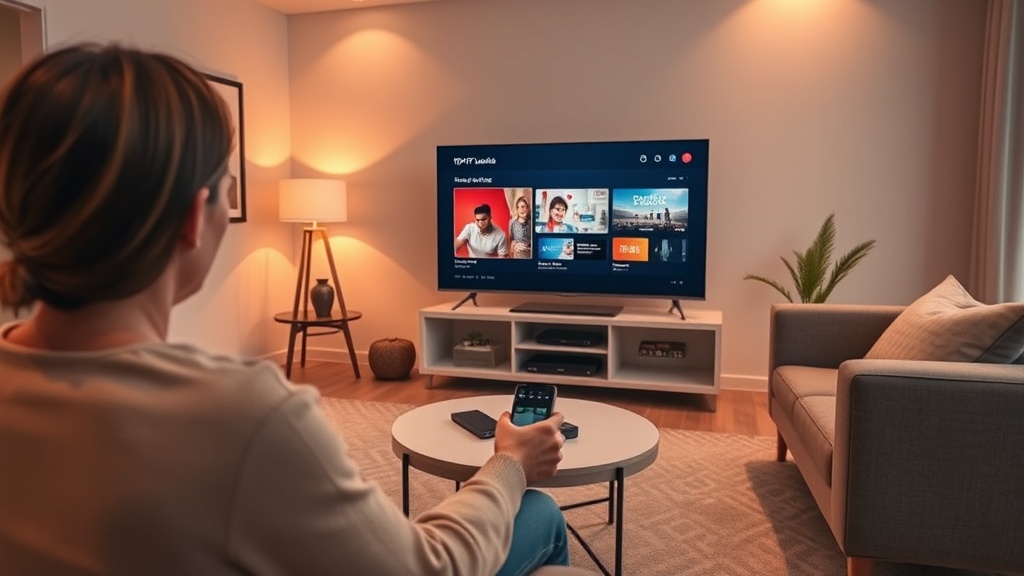
Once you’ve chosen an IPTV provider, the next step in your IPTV setup guide is to gather the necessary hardware. The core component is typically a smart TV, a streaming device, or a computer. Smart TVs often have built-in app stores where you can download IPTV applications. If you have an older TV, a dedicated streaming device will be essential.
Popular streaming devices include Amazon Fire Stick, Android TV boxes, Apple TV, and Roku. Each has its pros and cons regarding performance, user interface, and app availability. Android TV boxes are particularly versatile, allowing for a high degree of customization and the installation of various IPTV applications. For a list of compatible devices, check out our devices page.
A stable internet connection is paramount. IPTV relies heavily on bandwidth, especially for high-definition (HD) or 4K content. Aim for a minimum download speed of 20-25 Mbps for HD streaming and even higher for 4K. If your internet is slow or inconsistent, you’ll experience buffering and poor picture quality, undermining your IPTV setup guide efforts.
Consider a good router. A high-quality router can improve Wi-Fi coverage and stability, ensuring a consistent stream to all your devices. If possible, connect your primary streaming device directly to your router via an Ethernet cable. A wired connection offers superior speed and reliability compared to Wi-Fi, especially for bandwidth-intensive activities like streaming live TV.
While not strictly necessary for every IPTV setup guide, a VPN can enhance your experience. A VPN encrypts your internet traffic, protecting your privacy and potentially bypassing geo-restrictions on certain content. Some users also find that a VPN can help mitigate ISP throttling, which can sometimes occur when streaming large amounts of data. Research reputable VPN services if you’re considering this addition.
The Step-by-Step IPTV Setup Guide for Various Devices
Setting up IPTV can vary slightly depending on the device you’re using. This section of the IPTV setup guide will cover the most common methods for popular devices.
Setting up IPTV on an Android Device (Android TV Box, Fire Stick, Android Phone/Tablet)
Android devices are incredibly popular for IPTV due to their flexibility. The process generally involves downloading an IPTV player app. Popular choices include IPTV Smarters Pro, TiviMate, and Perfect Player. Once installed:
- Open the app and select “Add New User” or “Add Playlist.”
- You’ll typically have options to add an M3U URL, Xtream Codes API, or load a local file. Your IPTV provider will supply these details. The M3U URL is a common method, a direct link to your channel list.
- Enter the provided M3U URL or Xtream Codes API credentials.
- Give your playlist a name (e.g., “My IPTV”).
- The app will then load your channels and EPG (Electronic Program Guide). This might take a few minutes depending on the size of your playlist.
- Once loaded, you can start browsing channels, VOD, and other content.
IPTV Setup Guide for Smart TVs (Samsung, LG)
Many modern smart TVs have their own app stores. You’ll need to search for an IPTV player app compatible with your TV’s operating system. Popular apps include Smart IPTV (SIPTV), SS IPTV, or DuplexPlay. Note that some of these apps might require a one-time activation fee after a trial period.
- Download and install the chosen IPTV app from your TV’s app store.
- Open the app. It will usually display a MAC address or a unique code.
- Go to the app’s official website on a computer or smartphone.
- Enter your TV’s MAC address or code and the M3U URL provided by your IPTV service.
- Save the changes on the website.
- Restart the app on your TV, and your channels should now appear.
IPTV Setup Guide on a Computer (Windows, macOS, Linux)
For computers, you can use dedicated IPTV player software like VLC Media Player, PotPlayer (Windows), or Kodi. VLC is a free and versatile option:
- Download and install VLC Media Player.
- Open VLC, go to “Media” > “Open Network Stream.”
- Enter your M3U URL and click “Play.”
- Your channels will load, and you can navigate them through the playlist menu (View > Playlist).
Kodi is another powerful media center solution that supports IPTV through add-ons like the PVR IPTV Simple Client. This provides a more integrated EPG and user interface experience.
Setting up IPTV on Apple Devices (Apple TV, iPhone, iPad)
For Apple devices, you’ll typically use apps available in the App Store. Popular options include GSE Smart IPTV, iPlayTV (Apple TV), or VLC for iOS. The process is similar to Android:
- Download and install your preferred IPTV app from the App Store.
- Open the app and select to add a new playlist.
- Enter your M3U URL or Xtream Codes API details provided by your IPTV provider.
- Name your playlist and let the app load the channels.
Always ensure you have your M3U link or Xtream Codes API details ready, as these are the primary methods for loading content into your chosen IPTV player. This comprehensive IPTV setup guide aims to make the process as straightforward as possible.
Troubleshooting Common IPTV Setup Guide Issues
Even with the best IPTV setup guide, you might encounter some hiccups. Here are common issues and how to resolve them:
Buffering or Freezing
- Check your internet speed: Use an online speed test to ensure you’re getting the speeds your ISP promises. If not, contact your ISP.
- Improve Wi-Fi signal: Move your router closer to your streaming device, use a Wi-Fi extender, or ideally, connect via Ethernet cable.
- Close background applications: Other devices or apps on your network might be consuming bandwidth.
- Restart your router and device: A simple reboot can often clear up temporary network congestion.
- Consider a VPN: Sometimes ISPs throttle bandwidth for streaming. A VPN can help bypass this.
- Contact your IPTV provider: The issue might be on their end (server overload, maintenance).
Channels Not Loading or Missing
- Verify your M3U URL/Xtream Codes: Double-check that you’ve entered the credentials correctly. Even a small typo can prevent channels from loading.
- Refresh your playlist: Most IPTV apps have an option to refresh the channel list. This can re-sync with your provider’s server.
- Check your subscription status: Ensure your IPTV subscription is active and hasn’t expired. You can usually check this on your provider’s portal or by contacting support.
- Contact your IPTV provider: There might be server issues, channel changes, or regional restrictions affecting your service.
EPG Not Working or Incorrect
- Refresh the EPG: Most apps have a dedicated button to update the EPG data.
- Check EPG URL: If your provider gave you a separate EPG URL, ensure it’s entered correctly in your app’s settings.
- Time Zone settings: Incorrect time zone settings on your device or in the IPTV app can cause EPG discrepancies. Adjust them to your local time.
- Provider issue: The EPG data might be temporarily unavailable or incorrectly supplied by your IPTV provider.
App Crashing or Freezing
- Clear app cache: In your device’s settings, find the app and clear its cache. This can resolve performance issues.
- Update the app: Ensure you’re running the latest version of the IPTV app. Developers often release updates to fix bugs.
- Free up device storage: If your device is low on storage, it can affect app performance. Delete unnecessary files or apps.
- Reinstall the app: As a last resort, uninstall and then reinstall the IPTV app. This provides a fresh start.
Optimizing Your IPTV Setup Guide for the Best Performance in 2026
Achieving a smooth, high-quality IPTV experience goes beyond just the basic setup. Optimizing your system can significantly enhance your viewing pleasure. This section of the IPTV setup guide focuses on advanced tips for peak performance.
One of the most impactful optimizations is ensuring a robust network connection. While Wi-Fi is convenient, a direct Ethernet connection to your primary streaming device (like an Android TV box or smart TV) is always superior. It minimizes latency, eliminates Wi-Fi interference, and provides a stable, fast data stream. If running an Ethernet cable isn’t feasible, consider powerline adapters which use your home’s electrical wiring to extend network connectivity. This is a critical step in any serious IPTV setup guide.
Regularly updating your IPTV player applications and device firmware is also crucial. Developers frequently release updates that include bug fixes, performance enhancements, and new features. Keeping your software current ensures you benefit from these improvements and helps maintain system stability. Neglecting updates can lead to compatibility issues or security vulnerabilities. This is an often-overlooked but vital part of your IPTV setup guide.
For users experiencing geo-restrictions or concerned about privacy, integrating a reliable Virtual Private Network (VPN) is highly recommended. A VPN encrypts your internet traffic and routes it through a server in a location of your choice, allowing you to access content that might be unavailable in your region. Furthermore, it protects your online anonymity and can prevent your Internet Service Provider (ISP) from throttling your connection based on your streaming activity. When choosing a VPN, prioritize services known for their speed, strong encryption, and no-logging policies. This can significantly upgrade your IPTV setup guide.
Consider optimizing your device settings. For Android-based devices, go into developer options and limit background processes. Close unnecessary apps running in the background to free up RAM and CPU resources. On smart TVs, disable any unnecessary “smart” features that consume processing power if you’re primarily using a dedicated streaming box. These small tweaks can make a noticeable difference in responsiveness and stream quality. Always refer to a comprehensive IPTV setup guide for specific device optimizations.
Finally, periodically clear the cache within your IPTV applications. Over time, cached data can accumulate and sometimes lead to performance degradation or glitches. Most apps have a “clear cache” option in their settings. Doing this regularly can help keep your app running smoothly. For an extensive list of channels available, visit our channels page.
Future-Proofing Your IPTV Setup Guide for 2026 and Beyond
As technology evolves rapidly, ensuring your IPTV setup guide remains relevant and high-performing in the coming years requires some foresight. Investing in future-proof hardware and staying informed about emerging trends will help you enjoy uninterrupted entertainment.
When purchasing streaming devices, opt for models that support the latest video codecs and resolutions, such as H.265 (HEVC) and 4K (Ultra HD). While 4K content may not be universally available across all IPTV providers in 2026, it’s becoming increasingly common. Devices with robust processors and ample RAM will also handle more demanding applications and higher bitrates without stuttering. This ensures your IPTV setup guide remains cutting-edge.
Consider your internet infrastructure. As content quality improves, so does the demand for bandwidth. If you’re not already on a fiber optic connection, it might be worth exploring upgrades from your ISP. Technologies like Wi-Fi 6/6E (and soon Wi-Fi 7) offer faster speeds and better efficiency for wireless networks. Upgrading your router to support these standards will ensure your devices can take full advantage of your internet speed, vital for any forward-looking IPTV setup guide.
Stay informed about new IPTV applications and features. The ecosystem of IPTV players is constantly evolving, with new apps offering improved user interfaces, better EPG integration, and advanced customization options. Subscribing to relevant forums or tech news outlets can keep you abreast of these developments, allowing you to switch to better solutions as they emerge. This continuous learning is part of an effective IPTV setup guide.
Evaluate your IPTV provider periodically. The market is dynamic, and new providers with better features, more stable servers, or more competitive pricing can appear. While loyalty is good, ensuring you’re getting the best value and quality for your money is always smart. Don’t be afraid to explore alternatives if your current provider isn’t meeting your expectations or if you find a service that offers a significant upgrade in terms of channels or stability. This proactive approach is a key component of a successful IPTV setup guide.
Finally, consider backup solutions. While IPTV is generally reliable, having a secondary streaming option (e.g., a subscription to a major streaming service or a digital antenna for local channels) can provide peace of mind in case of unexpected service interruptions from your IPTV provider. This ensures you’re never without entertainment, a smart addition to your overall IPTV setup guide strategy.
The Advantages of a Well-Executed IPTV Setup Guide in 2026
Successfully implementing this IPTV setup guide unlocks a world of entertainment possibilities, offering numerous advantages over traditional television services. In 2026, these benefits are more pronounced than ever, making IPTV an attractive option for a growing number of households.
One of the most significant advantages is the sheer volume and diversity of content available. A well-configured IPTV system provides access to thousands of live TV channels from around the globe, catering to every interest imaginable. Beyond live broadcasts, the extensive libraries of Video-on-Demand (VOD) content, including movies and TV series, ensure that you always have something to watch, precisely when you want to watch it. This vast selection is a cornerstone of any effective IPTV setup guide.
Cost savings are another major draw. By cutting the cord from expensive cable or satellite subscriptions, many users find that their monthly entertainment expenses are significantly reduced. IPTV services often come with more flexible and affordable subscription plans, allowing you to pay only for the content you truly desire. This economic benefit makes the effort put into your IPTV setup guide worthwhile.
Flexibility and convenience are paramount. With IPTV, you are no longer tied to a single television set. Your content can be accessed on a multitude of devices – smart TVs, smartphones, tablets, computers, and dedicated streaming boxes – allowing you to watch your favorite shows and movies anywhere, anytime, as long as you have an internet connection. This portability is a key feature highlighted in any comprehensive IPTV setup guide.
The advanced features offered by modern IPTV services enhance the viewing experience. These include Electronic Program Guides (EPG) for easy navigation, catch-up TV (time-shifted TV) to watch previously aired programs, and recording capabilities. These functionalities provide a level of control and customization that traditional TV often lacks, making your entertainment experience truly personal. Mastering your IPTV setup guide means mastering these features.
Finally, the quality of streaming content has reached unprecedented levels. With a good internet connection and a capable IPTV provider, you can enjoy content in stunning HD and 4K resolutions, often with immersive sound. This visual and auditory fidelity elevates the entire entertainment experience, making every movie night or sports event feel more engaging. Your IPTV setup guide helps you achieve this high-quality viewing.
FAQ: Your IPTV Setup Guide Questions Answered
Q1: Is IPTV legal?
A1: The legality of IPTV depends on the source of the content. Using an IPTV service that legally obtains licenses for its content is legal. However, services that offer copyrighted content without proper authorization are illegal. Always choose reputable providers to ensure you are on the right side of the law. This is a crucial consideration for any IPTV setup guide.
Q2: What internet speed do I need for IPTV?
A2: For standard definition (SD) content, 5-10 Mbps is usually sufficient. For high definition (HD) content, 15-25 Mbps is recommended. If you plan to stream 4K content, you’ll need at least 30-50 Mbps, ideally more, for a smooth experience. A robust internet connection is key for a successful IPTV setup guide.
Q3: Can I use IPTV on multiple devices simultaneously?
A3: This depends on your IPTV provider and subscription plan. Some providers offer multi-device support, often allowing 2-5 simultaneous connections. Always check with your provider regarding their specific terms and conditions for simultaneous streams. This is an important detail for your IPTV setup guide planning.
Q4: What is an M3U playlist, and why do I need it for my IPTV setup guide?
A4: An M3U playlist is a text file that contains a list of URLs pointing to streaming media files (channels). It acts as a directory for your IPTV player, telling it where to find the content. Your IPTV provider will typically supply you with an M3U URL or file, which you then input into your chosen IPTV app to load the channels. It’s a fundamental part of the IPTV setup guide.
Q5: Do I need a VPN for IPTV?
A5: While not strictly mandatory, a VPN is highly recommended. It enhances your privacy by encrypting your internet traffic, can help bypass geo-restrictions on certain content, and may prevent your Internet Service Provider (ISP) from throttling your connection when streaming. This can significantly improve your IPTV setup guide experience by adding security and flexibility.
Related IPTV Services
You may also visit the following websites for similar services:
Related Articles
Interested in IPTV Lifetime?
Get premium IPTV lifetime access with 25,000+ channels and 26,000+ movies. Contact us to learn more about our lifetime IPTV subscription plans.
View IPTV Lifetime Plans