
Brilliant IPTV server Guide 2026

IPTV server technology stands at the forefront of digital entertainment, revolutionizing how we consume media. In 2026, understanding the intricacies of an IPTV server is more crucial than ever for both providers and consumers. This comprehensive guide will delve deep into what makes an IPTV server so powerful, its underlying architecture, benefits, and how to navigate the evolving landscape of internet protocol television.
Table of ContentsUnderstanding the Core: What is an IPTV Server?The Architecture Behind a Powerful IPTV ServerKey Benefits of Choosing a Reliable IPTV Server ProviderSetting Up and Optimizing Your IPTV Server ExperienceThe Future of Entertainment: Innovations in IPTV Server TechnologyChoosing the Right IPTV Server for Your NeedsTroubleshooting Common IPTV Server IssuesFAQ SectionRelated IPTV Services
Understanding the Core: What is an IPTV Server?
An IPTV server is the central nervous system of any Internet Protocol Television service. It’s a robust, dedicated computer system or network of systems designed to store, manage, and deliver video content over IP networks. Unlike traditional broadcast television, which transmits signals over airwaves or cables, IPTV utilizes the internet to deliver live TV, video-on-demand (VOD), and interactive services directly to your devices.
The primary function of an IPTV server is to encode, transcode, and package video streams into a format suitable for IP delivery. This involves taking raw video feeds from various sources – satellite, terrestrial, or studio – and converting them into digital packets that can be sent over the internet. These packets are then routed to subscribers’ devices, where they are reassembled and decoded for viewing.
Beyond simple delivery, a sophisticated IPTV server also handles critical aspects like subscriber authentication, content encryption for security, digital rights management (DRM), and billing. It acts as the gatekeeper, ensuring that only authorized users can access specific content and that content providers’ rights are protected. This complex orchestration allows for a seamless and personalized viewing experience.
The scalability of an IPTV server is a key differentiating factor. As demand for high-quality streaming grows, an IPTV server can be expanded and upgraded to handle an increasing number of concurrent users and a larger library of content. This adaptability is vital for providers looking to offer a competitive service in the rapidly expanding digital entertainment market.
The Architecture Behind a Powerful IPTV Server
The architecture of a modern IPTV server is complex, involving several interconnected components working in harmony. At its core are the headend systems, which receive and process raw video and audio signals. These signals are then encoded into digital formats like H.264 or H.265, optimizing them for efficient transmission over IP networks.
Following encoding, the content moves to the content management system (CMS) and video-on-demand (VOD) server. The CMS is responsible for organizing and cataloging all available content, including metadata, descriptions, and artwork. The VOD server stores a vast library of movies, TV shows, and other on-demand content, ready to be streamed to subscribers at their convenience. This allows providers to offer flexible viewing options.
Crucially, the middleware acts as the bridge between the content and the user interface. It manages subscriber accounts, authenticates users, processes requests, and delivers the personalized EPG (Electronic Program Guide) and VOD menus. A robust middleware solution is essential for a user-friendly and responsive IPTV service. For those looking to set up their own service, exploring IPTV server pricing models is a vital first step.
The streaming servers are responsible for delivering the actual video streams to end-user devices. These servers utilize various streaming protocols, such as HLS (HTTP Live Streaming) or DASH (Dynamic Adaptive Streaming over HTTP), to ensure smooth and adaptive playback across different internet speeds and devices. Load balancing and content delivery networks (CDNs) are often integrated to distribute the traffic efficiently and minimize latency, ensuring a high-quality experience for every subscriber.
Finally, the security and billing systems protect content from unauthorized access and manage subscriptions. DRM solutions encrypt content, while subscriber management systems handle user registration, payments, and service provisioning. All these elements combined form a resilient and efficient IPTV server infrastructure.
Key Benefits of Choosing a Reliable IPTV Server Provider
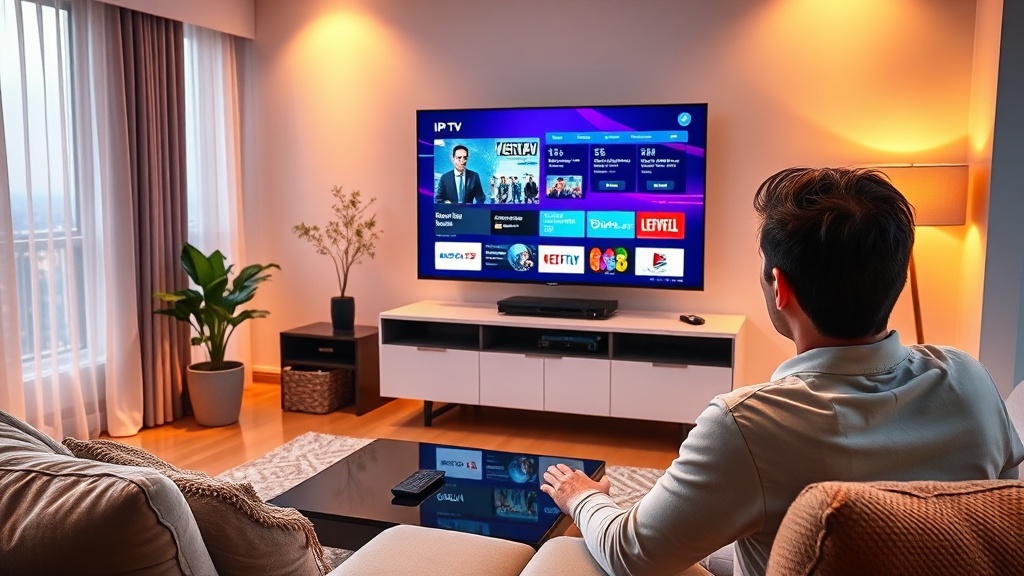
Opting for a reliable IPTV server provider in 2026 offers a multitude of advantages, both for businesses and individual users. For businesses, a robust IPTV server solution means being able to deliver high-quality, diverse content to a broad audience without the massive upfront investment in infrastructure. Providers handle the complexities of content acquisition, encoding, and delivery, allowing businesses to focus on their core competencies.
One of the most significant benefits is the access to a vast array of IPTV channels. Reputable providers typically offer extensive channel lineups, including international, sports, movie, and niche content, often in stunning high definition or even 4K. This diversity caters to a wide range of viewer preferences, making the service more attractive and competitive.
Reliability and uptime are paramount. A professional IPTV server provider invests heavily in redundant systems, powerful hardware, and robust network infrastructure to ensure minimal downtime. This means a consistent and uninterrupted viewing experience for subscribers, which is crucial for customer satisfaction and retention. Imagine never missing a crucial live event due to server issues.
Scalability is another major plus. As your subscriber base grows, a good IPTV server provider can effortlessly scale up resources to meet increasing demand without compromising performance. This eliminates the need for expensive hardware upgrades on your end and allows for flexible growth. Furthermore, dedicated customer support is often available to assist with any technical issues or inquiries, providing peace of mind to both providers and end-users.
Security is also a top priority. A reliable IPTV server implements advanced encryption and DRM technologies to protect content from piracy and unauthorized access. This safeguards the intellectual property of content owners and ensures a legitimate and secure viewing environment for subscribers. Choosing a trusted provider means you’re investing in a secure and future-proof entertainment solution.
Setting Up and Optimizing Your IPTV Server Experience
Setting up and optimizing your IPTV server experience, whether you’re a provider or an end-user, involves several critical steps. For end-users, the journey often begins with selecting the right IPTV devices. This could range from smart TVs and streaming sticks to dedicated set-top boxes or even mobile devices. Compatibility and performance are key factors here.
Once you have your device, the next step is to install the appropriate IPTV application or player. Many providers offer their own custom apps, while others recommend third-party players like VLC, Kodi, or Smarters Pro. Configuring these apps usually involves inputting a M3U playlist URL or Xtream Codes API credentials provided by your IPTV server service.
For optimal performance, a stable and high-speed internet connection is indispensable. While IPTV can work on slower connections, buffering issues become prevalent, especially with high-definition content. A wired Ethernet connection is generally preferred over Wi-Fi for its stability, though modern Wi-Fi standards can also deliver excellent results. Ensure your router is capable of handling multiple high-bandwidth streams.
Providers, on the other hand, face a more intricate setup. This includes choosing appropriate hardware, configuring encoding and streaming software, and integrating a robust middleware solution. Content acquisition, licensing, and setting up DRM systems are also crucial. Regular maintenance, monitoring, and updates are essential to keep the IPTV server running smoothly and securely.
Optimizing involves fine-tuning various parameters, such as bitrates, codecs, and streaming protocols, to balance quality with bandwidth consumption. Implementing a CDN can significantly improve delivery speed and reduce latency for geographically dispersed users. Continuous monitoring of server performance and user feedback is vital for ongoing optimization and improvement of the IPTV server service.
The Future of Entertainment: Innovations in IPTV Server Technology
The landscape of IPTV server technology is constantly evolving, driven by consumer demand for higher quality, more personalized experiences, and interactive features. In 2026, we are witnessing significant innovations that are reshaping the future of entertainment. One major trend is the widespread adoption of 8K streaming, pushing the boundaries of visual fidelity and demanding even more powerful IPTV server capabilities.
Artificial intelligence (AI) and machine learning (ML) are playing an increasingly critical role. AI algorithms are being used to personalize content recommendations, making the viewing experience more tailored to individual preferences. They also enhance content discovery, helping users navigate vast libraries more efficiently. Furthermore, AI can optimize streaming quality in real-time, adapting to network conditions to prevent buffering.
Cloud-based IPTV server solutions are gaining traction, offering unparalleled scalability, flexibility, and cost-efficiency for providers. Migrating to the cloud allows providers to deploy and manage their services without the need for extensive physical infrastructure, reducing operational costs and enabling rapid expansion. This also facilitates global reach and resilience against outages.
Interactive features are becoming more sophisticated. Beyond simple pause and rewind, expect to see more integrated social viewing experiences, real-time polling during live events, and even interactive storylines where viewers can influence the narrative. The IPTV server will become a hub for not just consumption, but also participation.
Enhanced security protocols, including advanced blockchain technology, are being explored to further protect content from piracy and ensure secure transactions. As the value of digital content grows, so does the need for robust security measures. These innovations promise a more immersive, personalized, and secure entertainment future, all powered by the continuous evolution of the IPTV server.
Choosing the Right IPTV Server for Your Needs
Selecting the right IPTV server solution, whether you’re a potential provider or an end-user, requires careful consideration of several factors. For providers, this decision impacts everything from service quality and scalability to operational costs and market competitiveness. For consumers, it directly influences the viewing experience, content availability, and overall satisfaction.
Providers must first assess their target audience and content strategy. What kind of content will you offer? What is your anticipated subscriber base? This will dictate the required capacity and features of your IPTV server. Look for solutions that offer robust transcoding capabilities, comprehensive content management, and flexible middleware options that can be customized to your brand.
Scalability and reliability are non-negotiable. A good IPTV server infrastructure should be able to handle fluctuating demand and grow with your business without significant disruptions. Investigate the provider’s track record for uptime, redundancy measures, and customer support. A service level agreement (SLA) is a crucial document to review.
For end-users, the choice often boils down to reputable IPTV server providers. Look for providers with transparent pricing, a wide selection of channels, and positive customer reviews. Testimonials and online forums can offer valuable insights into a provider’s reliability and customer service. Always check for trial periods to assess the service quality before committing to a long-term subscription.
Consider the devices you plan to use. Ensure the IPTV server provider supports your preferred streaming devices and offers user-friendly applications. Compatibility is key to a seamless experience. Finally, evaluate the overall value proposition – balance cost with features, content quality, and customer support to make an informed decision for your IPTV server needs.
Troubleshooting Common IPTV Server Issues
Even with the most robust IPTV server, occasional issues can arise. Knowing how to troubleshoot common problems can save you time and frustration, ensuring a smoother viewing experience. The first step in diagnosing any issue is to identify where the problem might be originating: your device, your internet connection, or the IPTV server itself.
If you’re experiencing buffering or freezing, your internet connection is often the culprit. Check your internet speed using an online test. If it’s significantly lower than expected, try restarting your router and modem. A wired connection (Ethernet) is always more stable than Wi-Fi, especially for high-definition streaming. Close any bandwidth-intensive applications running in the background on other devices.
For issues like “channel not available” or “login failed,” first verify your subscription status with your IPTV server provider. Ensure your account is active and that your login credentials are correct. Sometimes, a simple app restart or device reboot can resolve temporary glitches. If you’re using a third-party app, make sure it’s updated to the latest version.
Content-specific problems, such as a particular channel not working while others do, might indicate an issue with that specific stream from the IPTV server. In such cases, it’s best to contact your provider’s support team. They can investigate whether there’s a problem on their end or if it’s a temporary outage. Providing them with specific details like the channel name and time of the issue can help them diagnose it faster.
Finally, always ensure your streaming device’s software or firmware is up to date. Outdated software can sometimes lead to compatibility issues or performance bottlenecks. If all else fails, a factory reset of your streaming device might be necessary, but remember to back up any personal settings or data first. Proactive communication with your IPTV server provider is key to resolving complex issues efficiently.
FAQ Section
Q1: What is the primary difference between traditional cable TV and an IPTV server?
The primary difference lies in the delivery method. Traditional cable TV transmits signals over coaxial cables, while an IPTV server delivers content over the internet using IP networks. This allows for more interactive features, on-demand content, and greater flexibility in channel packages.
Q2: Do I need a special internet connection for an IPTV server?
While a standard broadband connection is sufficient, a stable and high-speed internet connection (at least 10-20 Mbps for HD, more for 4K) is highly recommended for an optimal IPTV server experience to avoid buffering and ensure high-quality streaming.
Q3: Is an IPTV server legal to use?
The legality of an IPTV server depends on the source. Legitimate IPTV services, like those from major telecommunication companies, are legal. However, services that offer copyrighted content without proper licensing are illegal. Always ensure your IPTV server provider is operating legally.
Q4: Can I use an IPTV server on multiple devices simultaneously?
Most IPTV server providers offer packages with varying numbers of simultaneous connections. You’ll need to check your specific subscription details. Some providers allow multiple streams under one account, while others require separate subscriptions or charge extra for additional connections.
Q5: What kind of content can I expect from an IPTV server?
An IPTV server can deliver a vast range of content, including live TV channels (local and international), video-on-demand (movies, TV series), catch-up TV, sports events, pay-per-view content, and sometimes even interactive services like gaming or educational programs.
Related IPTV Services
You may also visit the following websites for similar services:
Related Articles
Interested in IPTV Lifetime?
Get premium IPTV lifetime access with 25,000+ channels and 26,000+ movies. Contact us to learn more about our lifetime IPTV subscription plans.
View IPTV Lifetime Plans