
Amazing IPTV not working Guide 2026

IPTV not working can be one of the most frustrating experiences for any streaming enthusiast. In 2026, with the increasing reliance on internet-based television, encountering issues where your IPTV service isn’t functioning as expected can disrupt your entertainment, news, and sports consumption. Whether you’re facing buffering, freezing, no signal, or complete outages, understanding the root causes and implementing effective troubleshooting steps is paramount. This comprehensive guide will delve into common problems and provide actionable solutions to get your IPTV channels back up and running smoothly, ensuring your viewing pleasure remains uninterrupted.
Table of ContentsUnderstanding Common Reasons Why Your IPTV Not WorkingTroubleshooting Your Internet Connection When IPTV Not WorkingResolving Device-Specific Issues When IPTV Not WorkingChecking Your IPTV Subscription and Provider StatusOptimizing IPTV Settings and External FactorsAdvanced Troubleshooting for Persistent IPTV Not Working IssuesWhen to Contact Your IPTV Provider for Help with IPTV Not WorkingFAQRelated IPTV Services
Understanding Common Reasons Why Your IPTV Not Working
Before diving into specific fixes, it’s crucial to understand the most common culprits behind your IPTV not working. These issues can range from simple connectivity problems to more complex server-side or device-specific malfunctions. Identifying the category your problem falls into will significantly expedite the troubleshooting process. Often, what appears to be a major IPTV not working issue can be resolved with a few simple checks.
One primary reason for IPTV not working is a poor internet connection. IPTV relies heavily on a stable and fast broadband connection to stream high-quality video. If your internet speed drops, or if there’s significant packet loss, your IPTV experience will suffer. This can manifest as buffering, pixelation, or outright disconnections. It’s not just about raw speed; consistency is key. Even a fast connection can cause problems if it’s intermittently unstable. Always check your internet connection first.
Another frequent cause is an overloaded or misconfigured IPTV server. While you have less control over this, it’s a possibility, especially during peak viewing times or if your provider is undergoing maintenance. Sometimes, the issue isn’t with your setup but with the service itself. This is why it’s important to distinguish between local issues and provider-side problems when your IPTV not working. Checking your provider’s status page or social media can often confirm if there’s a wider outage.
Device-related problems also contribute significantly to IPTV not working. This could be anything from outdated software on your streaming device, insufficient device resources (RAM, processing power), or even a faulty HDMI cable. Each component in your IPTV setup plays a role, and a failure in any one can lead to a non-functional system. Ensuring your IPTV devices are up-to-date and in good working order is a proactive step to prevent future issues.
Troubleshooting Your Internet Connection When IPTV Not Working
A stable and fast internet connection is the backbone of any reliable IPTV service. If your IPTV not working, the very first place you should investigate is your internet connection. This step alone resolves a significant percentage of all IPTV issues. Don’t assume your internet is fine just because other devices are working; IPTV demands consistent bandwidth.
Start by performing a speed test. Websites like Speedtest.net or Fast.com can give you an accurate reading of your download and upload speeds. For standard definition IPTV, you’ll typically need at least 5-10 Mbps. For high definition (HD), aim for 15-25 Mbps, and for 4K streaming, 30-50 Mbps or more is recommended. If your speeds are significantly lower than what your IPTV service requires, you’ve found a major clue as to why your IPTV not working.
If your speed test results are poor, try restarting your router and modem. Unplug both devices from the power outlet, wait for about 30 seconds, and then plug them back in. Allow a few minutes for them to fully reboot and re-establish a connection. This simple power cycle can often clear up temporary network glitches, improve signal strength, and resolve issues causing your IPTV not working.
Consider using a wired Ethernet connection instead of Wi-Fi if possible. Wi-Fi can be susceptible to interference from other devices, walls, and distance from the router, leading to inconsistent speeds and higher latency. A direct Ethernet connection provides a more stable and faster link, which can dramatically improve your IPTV experience and reduce instances of your IPTV not working due to network instability. If you’re using Wi-Fi, try moving your device closer to the router or investing in a Wi-Fi extender.
Resolving Device-Specific Issues When IPTV Not Working
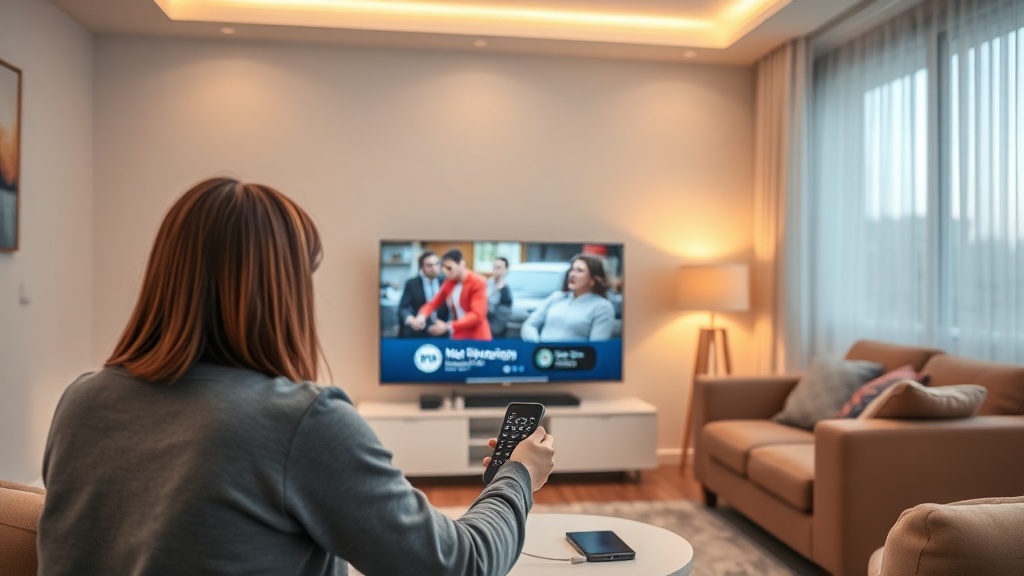
Your streaming device plays a critical role in the overall IPTV experience. When your IPTV not working, the problem might not be with your internet or provider, but with the device itself. A range of issues, from software glitches to hardware limitations, can impact performance. Addressing these can often bring your service back online.
First, ensure your device’s operating system and the IPTV application are fully updated. Outdated software can lead to compatibility issues, bugs, and security vulnerabilities that prevent your IPTV service from functioning correctly. Check for updates in your device’s settings or within the app store. A simple software update can often resolve unforeseen glitches that make your IPTV not working.
Clear the cache and data for your IPTV application. Over time, apps accumulate temporary files (cache) that can become corrupted and lead to performance issues, including freezing or failure to load content. Go to your device’s app settings, find your IPTV application, and select “Clear Cache” and then “Clear Data.” Be aware that clearing data will usually require you to log back into your IPTV service. This is a common fix for many app-related problems when your IPTV not working.
If you’re using a low-spec device, it might struggle to handle high-quality IPTV streams, especially 4K content. Consider upgrading your IPTV device if you frequently encounter buffering or crashes, even after optimizing your internet connection. Devices with more RAM and a powerful processor are better equipped to handle the demands of modern IPTV. Sometimes, the simplest solution for a persistent “IPTV not working” error is a hardware upgrade.
Checking Your IPTV Subscription and Provider Status
Sometimes, the reason your IPTV not working is simply due to an expired subscription or an issue on your provider’s end. This is often overlooked but can be one of the easiest problems to diagnose and fix. Before you spend hours troubleshooting your home network or devices, take a moment to verify your account status.
Log into your IPTV provider’s portal or contact their support to confirm your subscription is active and in good standing. An expired subscription, a missed payment, or even a temporary suspension for policy violations can cause your IPTV not working. Check your email for any communications from your provider regarding your account status. For competitive IPTV pricing and reliable service, always ensure your payments are up to date.
Also, check for any reported outages or maintenance work from your IPTV provider. Many providers have status pages on their websites, social media accounts, or dedicated forums where they announce planned maintenance or report ongoing issues. If multiple users are reporting problems, it’s likely a server-side issue, and all you can do is wait for your provider to resolve it. This proactive check can save you a lot of unnecessary troubleshooting if your IPTV not working is a widespread issue.
If your provider is experiencing issues, they will usually provide an estimated time to resolution. During such times, avoid repeatedly restarting your devices or contacting support, as this can further strain their systems. Patience is key when the problem lies with the service provider and your IPTV not working is out of your immediate control. A good provider will communicate clearly and work quickly to restore service.
Optimizing IPTV Settings and External Factors
Beyond the common issues, certain settings and external factors can also cause your IPTV not working. Adjusting these can often lead to a significant improvement in performance and stability. These are often subtle but impactful changes that can make a difference.
Consider adjusting the buffer size in your IPTV application settings, if available. A larger buffer can help prevent buffering issues, especially on less stable internet connections, by pre-loading more content. However, too large a buffer might introduce a slight delay when skipping through content. Experiment with different buffer sizes to find what works best for your setup. This can be crucial in preventing your IPTV not working due to minor network fluctuations.
Check for any VPN or proxy services you might be using. While VPNs can offer privacy and access to geo-restricted content, they can also introduce latency and reduce bandwidth, potentially causing your IPTV not working or to buffer frequently. Try disabling your VPN temporarily to see if it resolves the issue. If the IPTV works without the VPN, you might need to try a different VPN server or a VPN provider known for better speeds and compatibility with streaming services.
Finally, ensure there are no other devices on your network hogging bandwidth. Large downloads, online gaming, or multiple 4K streams on other devices can significantly impact the available bandwidth for your IPTV. Use Quality of Service (QoS) settings on your router, if available, to prioritize traffic for your IPTV device. This can prevent your IPTV not working due to network congestion during peak usage.
Advanced Troubleshooting for Persistent IPTV Not Working Issues
If you’ve gone through all the basic and intermediate troubleshooting steps and your IPTV not working persists, it’s time to delve into some more advanced solutions. These steps might require a bit more technical know-how but can be effective in resolving stubborn problems.
Try changing your DNS (Domain Name System) servers. Your ISP’s default DNS servers might not always be the fastest or most reliable, potentially affecting how your device connects to IPTV servers. Switching to public DNS servers like Google DNS (8.8.8.8 and 8.8.4.4) or Cloudflare DNS (1.1.1.1 and 1.0.0.1) can sometimes improve resolution times and overall network performance, which in turn can help if your IPTV not working is due to DNS resolution issues.
Consider performing a factory reset on your streaming device. This should be a last resort, as it will erase all data and settings, returning the device to its original state. However, it can resolve deeply embedded software conflicts or corrupted system files that are otherwise impossible to fix. After a factory reset, you’ll need to reinstall your IPTV application and reconfigure all your settings. This can often fix issues where your IPTV not working due to persistent system errors.
If you suspect a hardware issue with your router or streaming device, try testing with a different device or router if possible. Borrowing a friend’s router or using a different streaming box can help isolate whether the problem is with your specific hardware or something else in your setup. Sometimes, the problem is a failing component that isn’t immediately obvious, and this kind of isolation can pinpoint why your IPTV not working.
When to Contact Your IPTV Provider for Help with IPTV Not Working
After exhausting all the troubleshooting steps on your end, if your IPTV not working remains unresolved, it’s time to reach out to your IPTV provider’s support team. They have access to diagnostic tools and server information that you don’t, and they can often identify issues specific to your account or their service that are beyond your control.
Before contacting them, gather all the information about the problem. This includes when the issue started, what troubleshooting steps you’ve already taken (e.g., rebooted router, cleared cache, checked internet speed), any error messages you’ve received, and the specific channels or content that are affected. The more details you provide, the quicker and more effectively they can assist you with your IPTV not working issue.
Be prepared to provide your account details, device information, and possibly even screenshots or video recordings of the issue if they request them. Patience is key when dealing with customer support, as they may need to guide you through further diagnostic steps. A good provider will have dedicated support channels, whether it’s live chat, email, or phone support, to help you get your IPTV not working problem fixed.
If your provider is unable to resolve the issue after multiple attempts, or if they consistently fail to provide reliable service, it might be time to consider switching to a different IPTV provider. Researching reviews and asking for recommendations can help you find a more reliable service that offers better support and fewer instances of your IPTV not working. Remember, a reliable IPTV experience is worth the investment.
FAQ
Q1: Why is my IPTV buffering constantly even with fast internet?
Constant buffering, even with fast internet, can be caused by several factors. Your Wi-Fi signal might be weak or experiencing interference. Try connecting via Ethernet. The IPTV server you’re connecting to might be overloaded, or your device might have insufficient processing power or RAM. Clearing the app cache, adjusting buffer settings, or using a VPN (if not already) or turning off a VPN (if already on) can sometimes help. Also, check if other devices on your network are consuming significant bandwidth.
Q2: My IPTV channels show “no signal” – what should I do?
“No signal” usually indicates a problem with the connection to the IPTV server or an issue with the specific channel’s stream. First, check your internet connection. Then, try restarting your IPTV device and router. Verify your IPTV subscription is active. If the problem persists, try a different IPTV app or player, or contact your IPTV provider to inquire about server status or specific channel issues.
Q3: How do I know if the problem is with my IPTV provider or my own setup?
To distinguish between provider and local issues, first check if other internet-based applications or websites are working correctly on your device. If they are, but only IPTV is failing, it leans towards an IPTV-specific problem. Check your IPTV provider’s social media or status page for reported outages. If multiple users are complaining, it’s likely a provider issue. If not, systematically troubleshoot your internet, device, and app settings as outlined in this guide.
Q4: Can a VPN cause my IPTV not to work?
Yes, a VPN can sometimes cause your IPTV not to work or to perform poorly. While VPNs offer privacy and geo-unblocking, they can introduce additional latency and reduce bandwidth, especially if the VPN server is far away or overloaded. Try disabling your VPN temporarily to see if the IPTV service works without it. If it does, you might need to try a different VPN server, a different VPN protocol, or consider a VPN provider optimized for streaming.
Q5: My IPTV worked yesterday but not today. What changed?
If your IPTV worked recently but stopped, consider what might have changed. Did your internet service go down or experience issues? Did you update any software on your device or router? Has your IPTV subscription expired? Is there an announced outage by your provider? Start by restarting your router and IPTV device. Then, check your internet speed and subscription status. Often, a recent change or a temporary network glitch is the culprit.
Related IPTV Services
You may also visit the following websites for similar services:
Related Articles
Interested in IPTV Lifetime?
Get premium IPTV lifetime access with 25,000+ channels and 26,000+ movies. Contact us to learn more about our lifetime IPTV subscription plans.
View IPTV Lifetime Plans